


Following a farming model that observes how wild olive trees survive around his farm, Charis Christoforou turned olive groves with poor quality, heavily eroded soil into an organic and thriving biodiverse farm that has become an important oasis for local fauna.
Farm facts
Farm located in
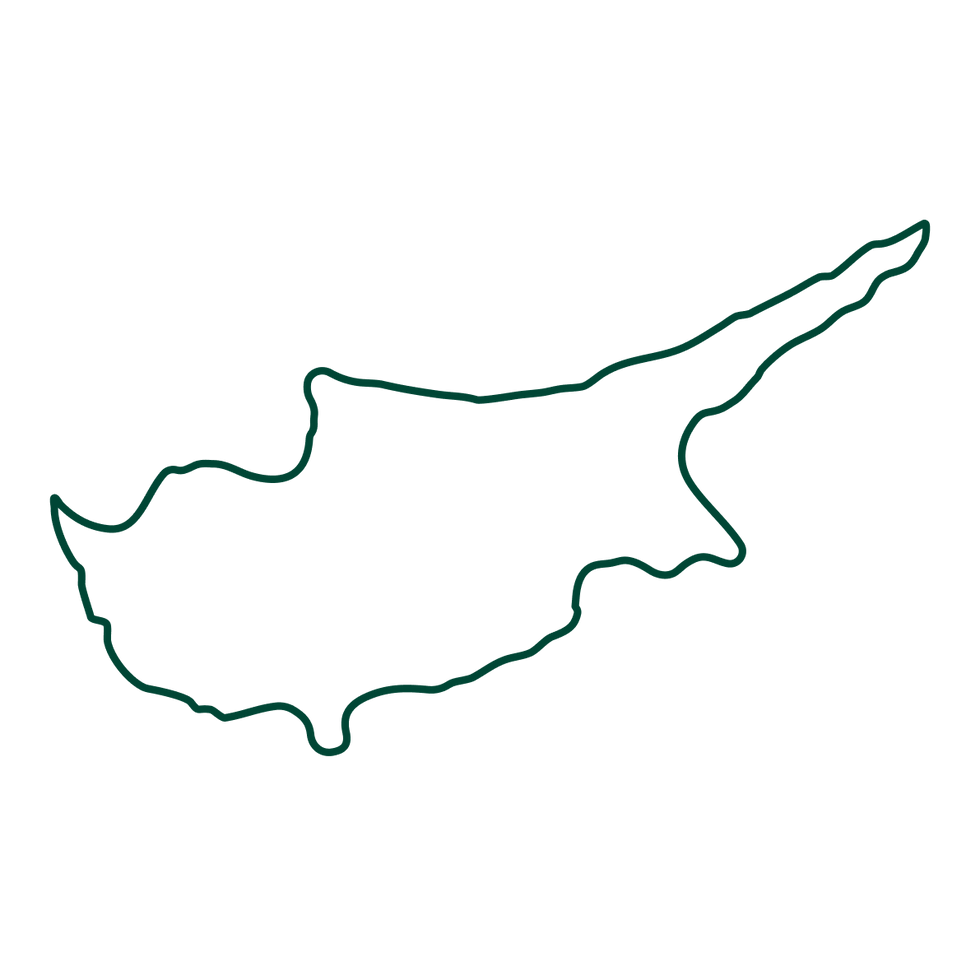
Cyprus
Hectares
6
Time invested
6-10 years
Team size
1-5
Crops
Olive groves, Herbs/ Spices/ Medicinal Plants
Animals
None
Distribution channels
Direct to retailer, Direct to restaurants, Online shop / website
Practices
Minimising soil disturbance (no or reduced tilling), Cover cropping, Agroforestry/ Reforestation/ Rewilding, Composting, Others
Certifications
Organic
Regenerative Journey
Free of chemical/ synthetic inputs
Revenue streams
Learning from the Wild Rhythms of Nature
Located across 6-hectares in the village of Maroni, within 2km of the Mediterranean sea in the Larnaca district of Southern Cyprus, Charis Christoforou operates To Pervoli tou Theodorou, a thriving biodiverse and organic farm with award-winning extra virgin olive oil.
A mechanical engineer by trade with no prior experience in regenerative farming, Charis took over the olive groves in 2015 from his father, Theodoros, who planted the first olive trees of the Greek Koroneiki olive variety in 1980. “Our soil is made up of 90% sand and it’s very poor, so when I first took over the farm, the land was suffering from soil erosion even from light rainfall”.
Since his father passed away, and with the keen support of his mother, Charis has educated himself about the principles of organic, regenerative farming to turn this poor quality soil, which is white, rocky and calcareous, into more resilient soil and a more diverse ecosystem. “By minimizing soil disturbance, planting cover crops, adding organic compost and mulch, and attracting beneficial pollinators and predatory birds, our soil has become more resilient and productive”, Charis explains.
A quiet observer by nature, Charis soon began to understand that he could find the answers to his farming questions by observing the science of nature itself. “I began to notice wild olive trees around the farm that produced better olives than mine, and this encouraged me to use these wild trees as a model for growing,” he explains. By allowing his trees to grow as nature intended, surrounded by organic wild herbs and plants, Charis was able to produce three different varieties of 100% koroneiki extra virgin olive oil on this challenging piece of land, two of which have since received international acclaim. Charis has achieved this by avoiding artificial chemicals and fertilisers, and has since begun to harness the medicinal properties of the herbs planted in between the olive trees to produce organic, sugar-free iced tea.
Transforming Olive Groves into A Haven for Wildlife
By covering the soil among the olive trees with beneficial herbs and plants, Charis operates with a mindset of returning what you take from nature. “We interplant aromatic and pharmaceutical plants, like rosemary, oregano, lavender, calendula, wild hawthorn and marjoram. We have 22 different herbs to cover the soil and to attract beneficial insects”, he says.
Rewilding has become a key focus for Charis. He points outs, “We have added water for wild animals under the olive trees in various places. We also maintain beehives to promote more pollination and we work with BirdLife Cyprus to leave nesting spots for owls during the night and falcons during the day, which feed on farm mice to manage their population”.
Charis has created a circular economy and a balanced ecosystem within the olive groves. ‘To Pervoli’ in Greek translates to a garden or orchard, a model that Charis maintains by making To Pervoli a wild and attractive oasis for birds, beneficial insects and pollinators that can thrive. Charis appreciates the recognition he has received for his hard work, “We received an award by Gastronomos magazine in Greece and Cyprus that recognized our sustainability measures in Cyprus”.
A Farm with an Open Door Policy
A green fingered scientist at heart, Charis has transformed To Pervoli into a research centre in its own right, through his willingness to trial new projects and EU initiatives at his olive groves. “We are part of an EU programme where we have installed stations to monitor soil temperature, aeration temperature and humidity among the olive trees, to track our water usage more effectively so we can be mindful of how often we need to water.”
These research projects allow Charis to continue to discover ways to protect the soil, the biodiversity, and ultimately, the olive trees by regenerative means and using natural byproducts from the farm. This is especially the case with water, which is becoming evermore scarce on an island that faces severe drought and the risk of desertification. “We chop up the branches we prune to make organic wood chip, producing a natural fertilizer and mulch that protects the soil and retains moisture during the intense heat of summer. This means our soil retains water better, meaning we are less dependent on irrigation”.
Through his visionary approach, and his belief in regenerative farming as a tool to combat climate change, Charis is not only seeing the benefits on his own farm, but within the local network of Cypriot farmers. “Ever since following a 100% regenerative farming model, we have seen financial improvements along with more environmental abundance,” he says. “I am proud because I have inspired other local farmers to convert to 100% organic and regenerative agriculture.”
Over the last few years Charis has opened To Pervoli to the public to participate in guided tours. “I want to welcome both adults and children to the farm to understand where their food comes from. My vision is to transform the farm into a place of education, inspiring and supporting other farms to adopt regenerative agriculture and understand how nature always has the answer.”
Working Today for the Next Generations
Charis is a visionary, with the environment at the core of his future plans at To Pervoli tou Theodorou. He is proud to be part of the Top 50 Farmers 2026 cohort and wants to leverage being part of the network to bolster his environmental endeavours at his olive groves. He explains, “We are looking for investment to pump water solely by solar energy, thus avoiding fossil fuels. We also plan to go further into animal farming by housing chickens that can feed off the organic waste from the farm, add organic manure to further enrich the soil, and provide an additional income from eggs”.
Despite his achievements and future aspirations, Charis is a family man and envisions a farm that leaves a lasting legacy for his children to continue to be custodians of the land. “I have three children, and I hope that one or all of them will follow this path and remain close to nature, just as I inherited the farm from my father.”
Written by Top 50 Farmers and Tim Phedon
Their story
The farm


